|
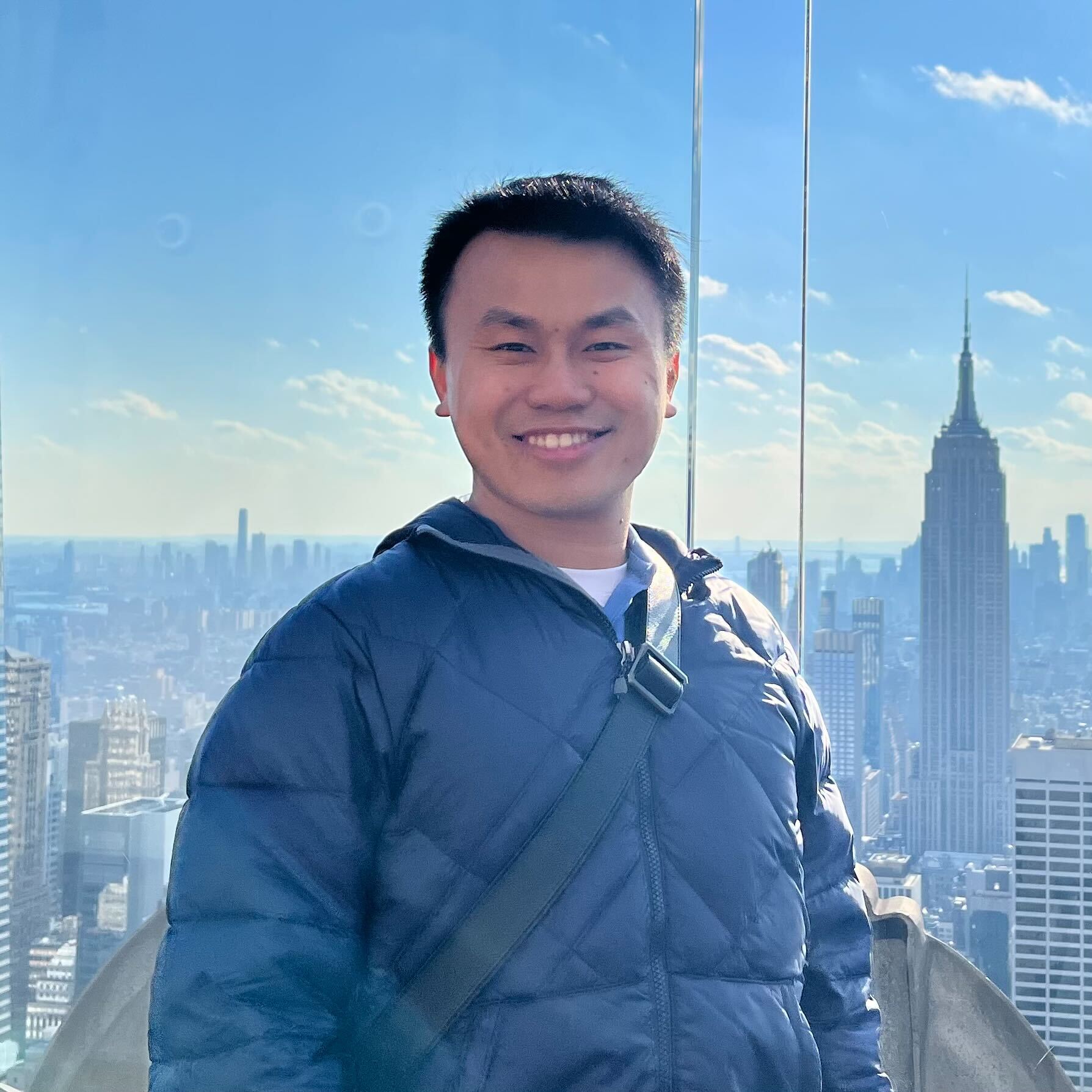
Pengfei Cai I am a PhD candidate at MIT working in computational science and engineering, within the DMSE-CSE program. I work on post-training LLMs with verifiable physics, diffusion models with physical constraints, and AI for science. I'm advised by Rafael Gomez-Bombarelli. |
|
Research |
|
||
|
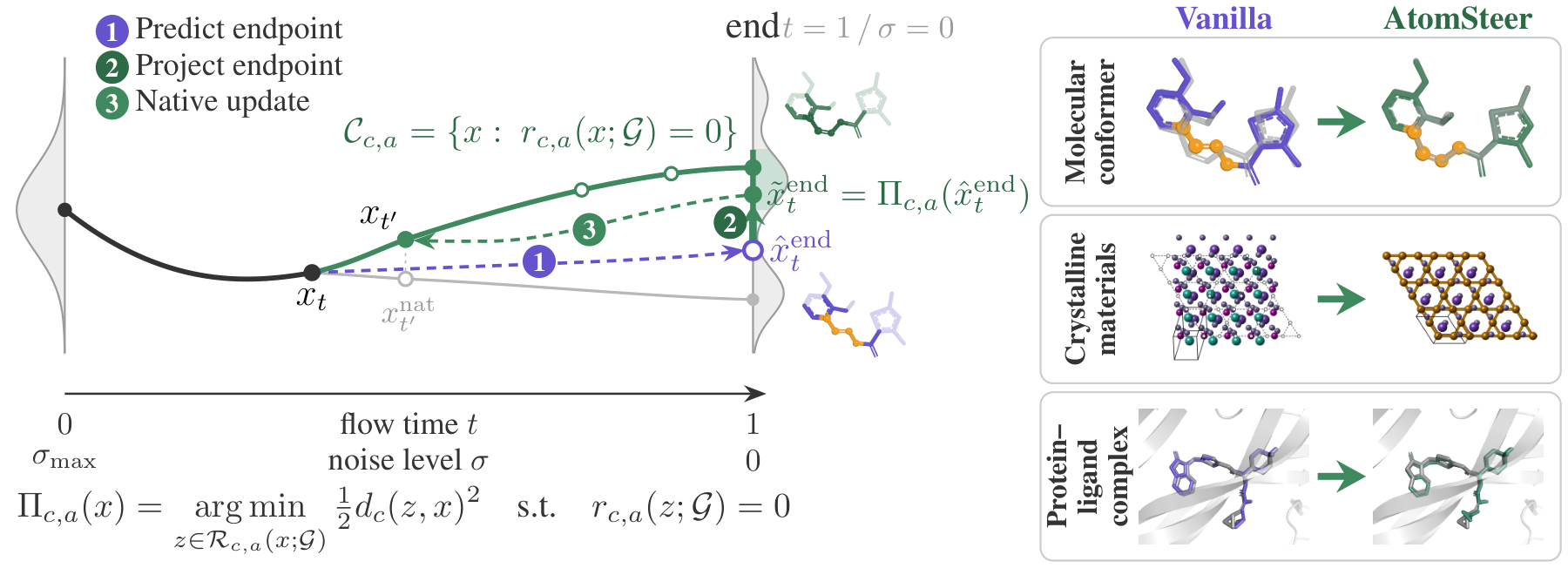
AtomSteer: Test-Time Constraint Steering for Atomistic Generative Models
Pengfei Cai*, Katharina Jäger*, Utkarsh Utkarsh, Nofit Segal, Bowen Deng, Akshay Subramanian, Rafael Gomez-Bombarelli Under review
|
||
|
|
||
|
||
|
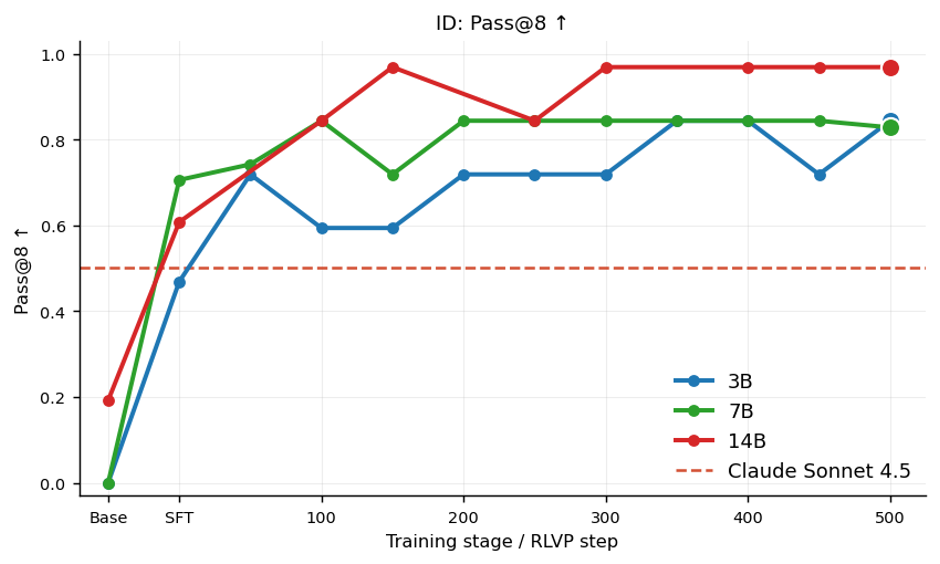
Reinforcement Learning with Verifiable Physics: Post-training LLMs with Continuous Rewards
Pengfei Cai*, Utkarsh Utkarsh*, Alan Edelman, Christopher Vincent Rackauckas, Rafael Gomez-Bombarelli NeurIPS, 2026 Paper RLVP turns simulations into an RL training environment, combining validity checks with continuous physical rewards.
|
||
|
|
||
|
||
|
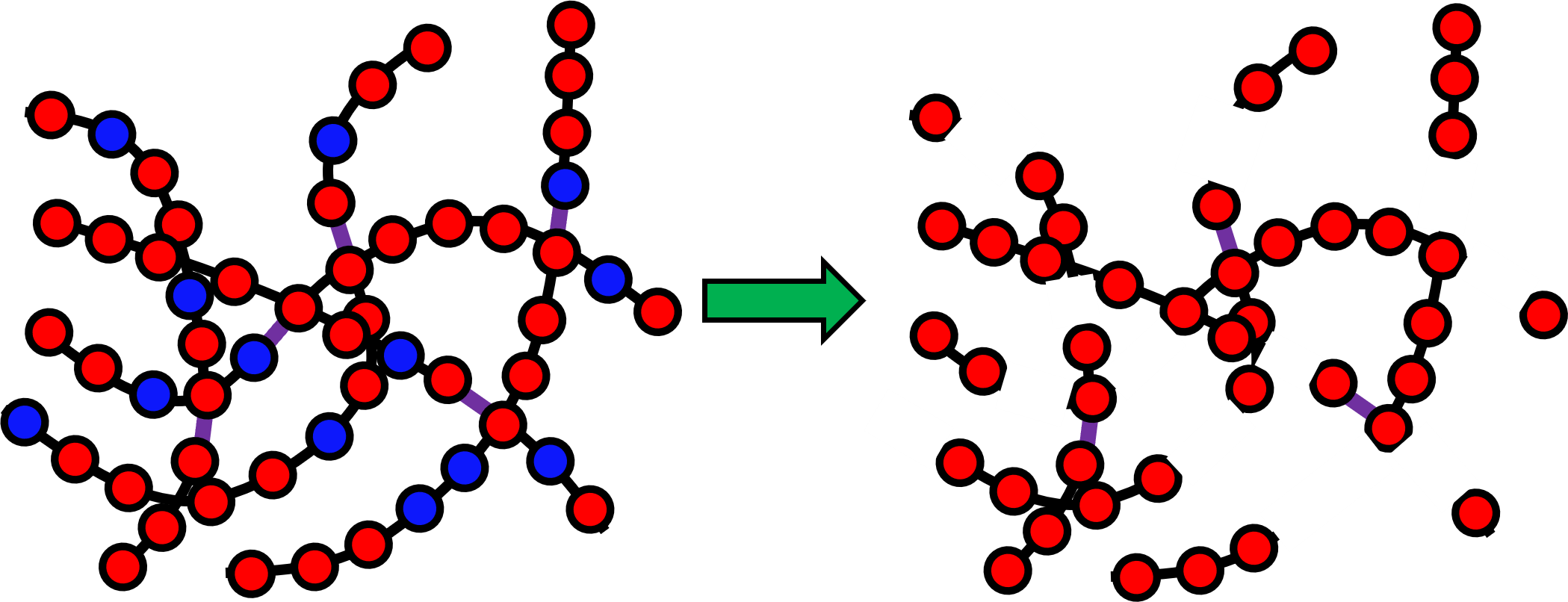
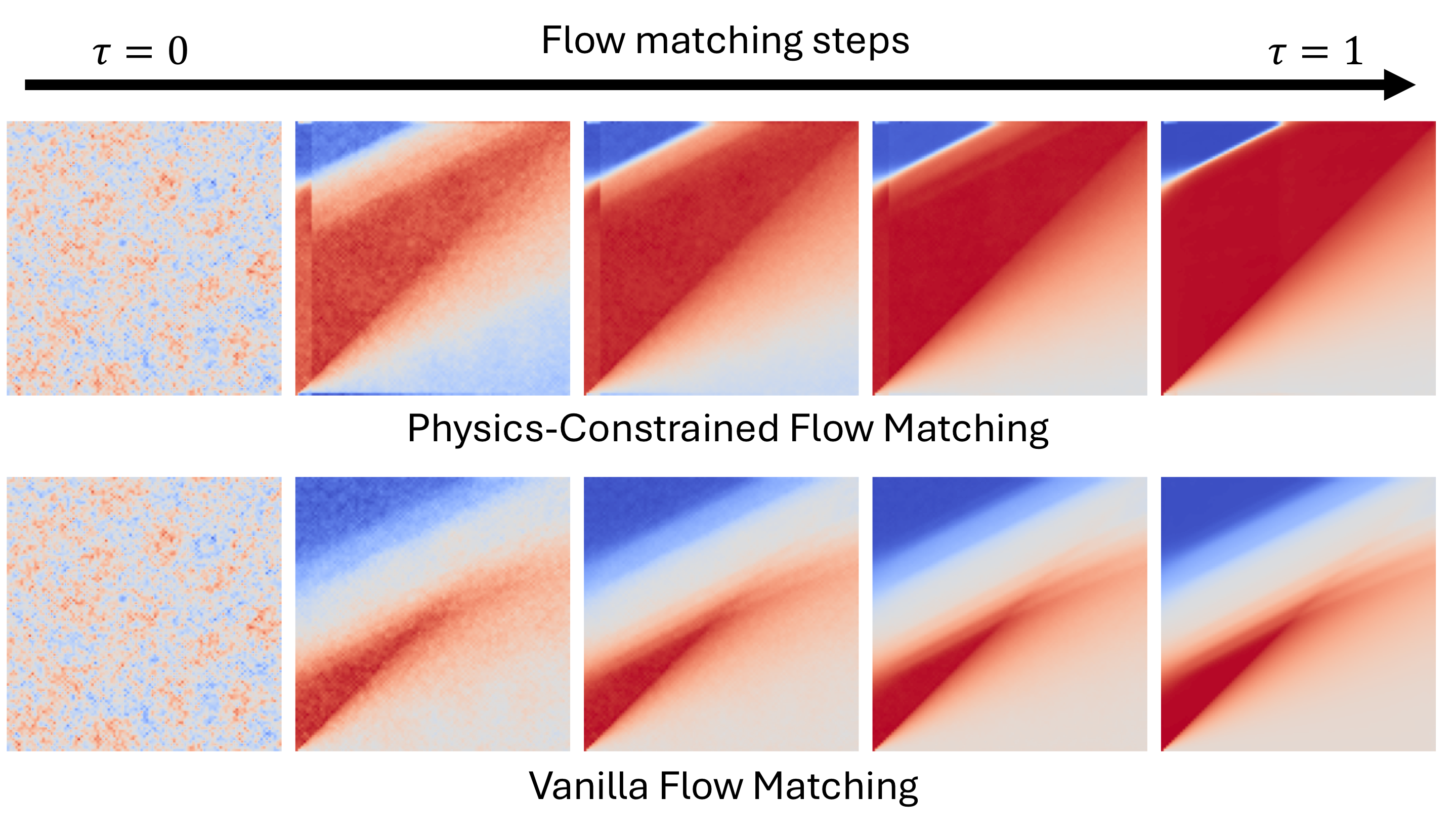
Physics-Constrained Flow Matching: Sampling Generative Models with Hard Constraints
Utkarsh*, Pengfei Cai*, Alan Edelman, Rafael Gomez-Bombarelli, Christopher Vincent Rackauckas NeurIPS, 2025 Paper | Code | Project Page |
||
|
|
||
|
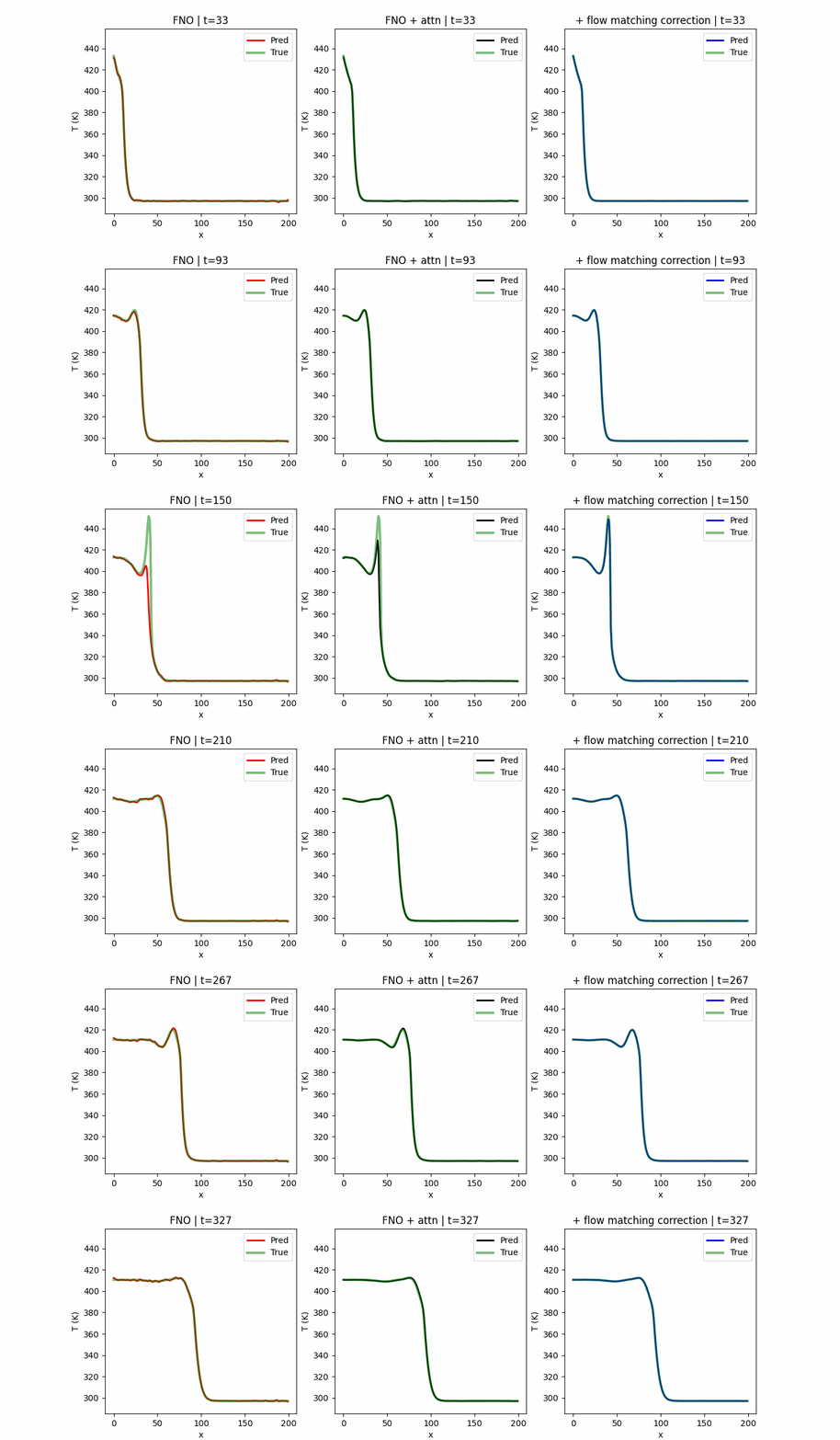
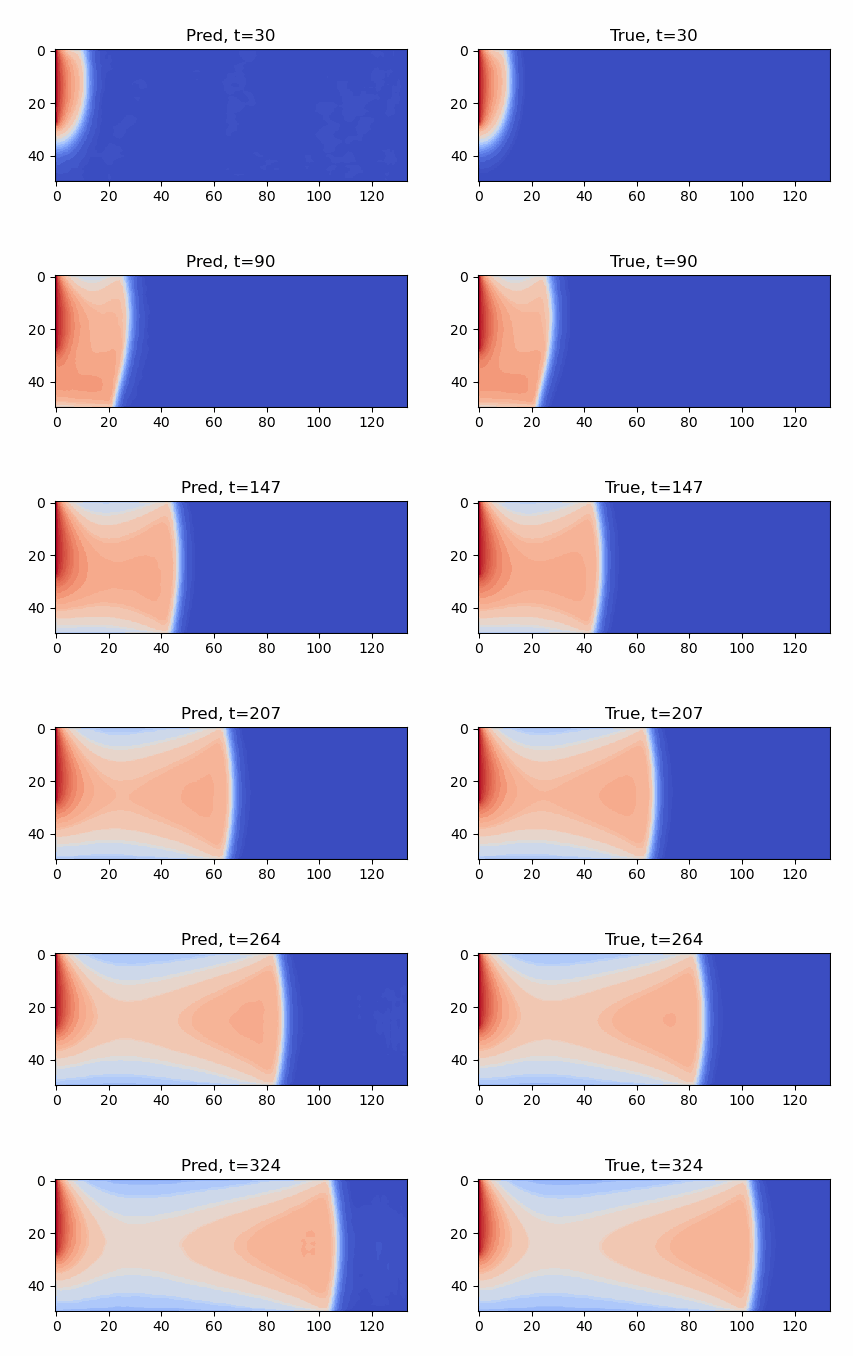
Towards Long Rollout of Neural Operators with Local Attention and Flow Matching-inspired Correction: An Example in Frontal Polymerization PDEs
Pengfei Cai, Sulin Liu, Qibang Liu, Philippe Geubelle, Rafael Gomez-Bombarelli NeurIPS 2024 Workshop on ML for Physical Sciences |
||
|
||
|
||
|
|
||
|
||
|
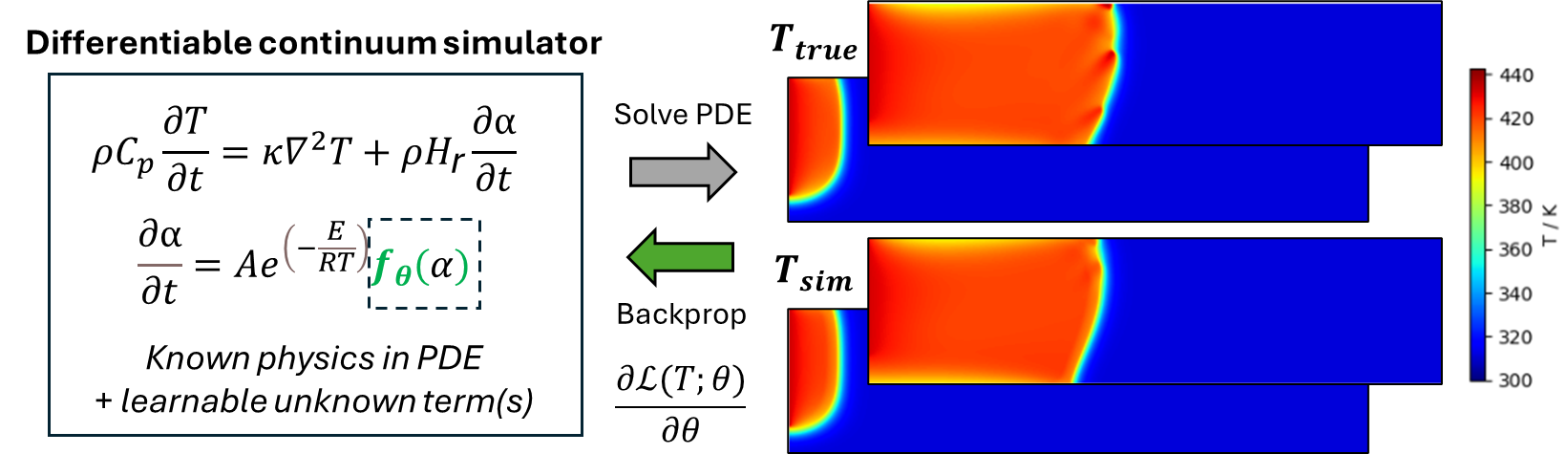
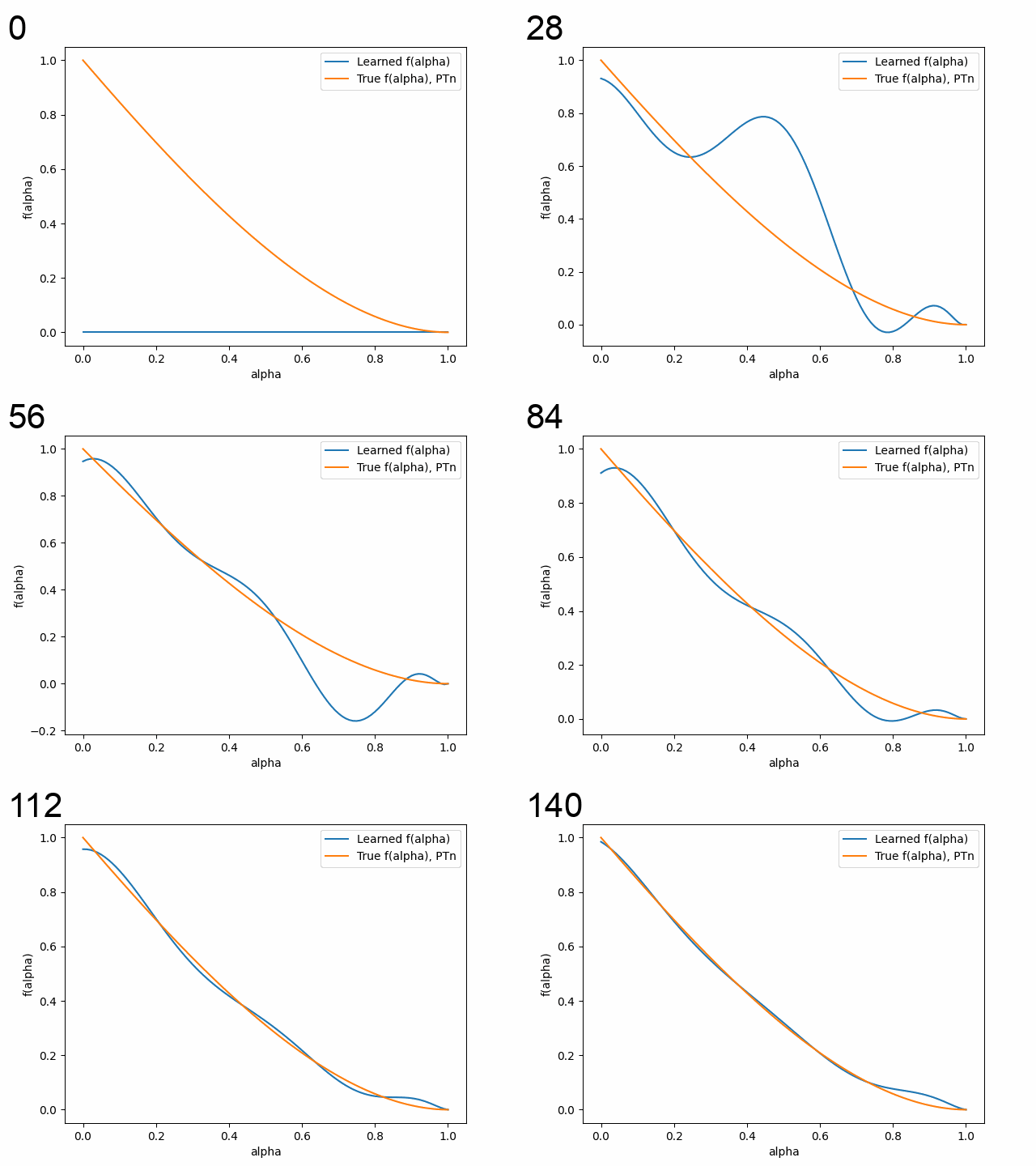
Learning Cure Kinetics of Frontal Polymerization PDEs using Differentiable Simulations
Pengfei Cai, Qibang Liu, Philippe Geubelle, Rafael Gomez-Bombarelli ICML 2024 Workshop on AI for Science NeurIPS 2024 Workshop on Data-driven and Differentiable Simulations, Surrogates, and Solvers
|
||
|
|
||
|
||
|
|
||
|
||
|
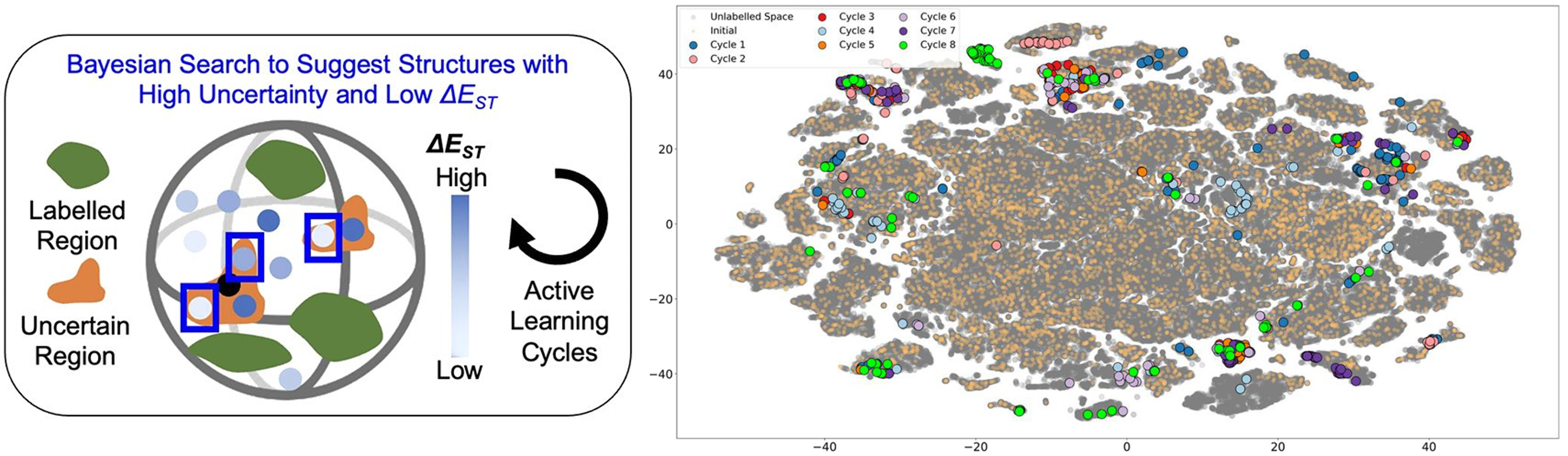
Self-Improving Photosensitizer Discovery System via Bayesian Search with First-Principle Simulations
Shidang Xu*, Jiali Li*, Pengfei Cai, Xiaoli Liu, Bin Liu, Xiaonan Wang Journal of the American Chemical Society, 2021
|
||
|
Accelerated Design of Near-Infrared-II Molecular Fluorophores via First-Principle Understanding and Machine Learning
Shidang Xu*, Pengfei Cai*, Jiali Li, Xianhe Zhang, Xianglong Liu, Xiaonan Wang, Bin Liu ChemRxiv 2022 Preprint
|